BEST I CAN TELL
MATTHEW SIDNEY PARSONS
A BLOG BY

Getting Noticed: Why Your Songwriting Needs Grit and a Message
There’s a way to get noticed, but you might not like it…
A lot of young songwriters come to workshops with questions about how to get noticed, find representation, and/or get a record deal or book gigs. I was contemplating this as a serious artist (who doesn’t seek those things very much) as I was considering the approach to the workshops I will teach this Spring and Summer—like the Ola Belle Reed Songwriter’s Retreat or the pre-retreat for Hindman Settlement School’s annual Appalachian Writers’ Workshop.
Well, I came up with an answer, but I don’t think you’re going to like it: Make your show be about something.
Confine Your Art to Find Your Voice
I don’t mean be sure of what you believe and let your art be free. I mean confine your art. Channel it. Decide what you’re saying. Not every show has to be about the same thing and you don’t have to do the same material at every show, but deciding on how to bring your songs together in a sort of singular voice that speaks to an issue you care about has several benefits.
First, it makes you a better artist. By thinking deeply about your material and looking at it with a new perspective, as well as potentially having to generate new material to fill out the scope of what your show is saying, you’re understanding yourself better and the work better. This, in turn, helps you to perform the works more authentically and with greater expressiveness. In addition, if the theme of your show is something you care about, it will make your performance more inspired and energetic.
Avoid the Hostage Situation with a Playlist
Second, it forces you to be meaningful in a way that others shy away from, which makes your show unique. Everyone is willing to say what they believe when prompted, but to make it a central theme of a show is to draw special attention both to the issue and to oneself. Most singer-songwriters simply won’t go there.
While poets and essayists alike edit and re-edit, cut favorite pieces, and endeavor for years to supplement those gaps with new material that fits a central theme, songwriters say, “I didn’t know how long I was gonna be pickin’ for, so here’s another George Jones cover.” A haphazard string of songs you enjoy is not a show, it’s a hostage situation with a playlist. Instead, you could be taking big artistic leaps and make bold statements that get you noticed, draw attention to an important issue, and make you feel fulfilled as an artist at the same time.
Stop Selling Your Personality, Start Selling a Message
Third, it makes booking easier and more straight-forward. You’re not asking: will this place book my personality? Now, you’re asking: what organizations will resonate with my message? That means funding sources, sponsorship, advertising, and the ability to draw people to your show who may not know you but are interested in what you’re saying.
Oh yeah, did I mention you need for the theme of your show to be central to your advertising? Gone are the days of trying to sell your face and personality on stage. To set yourself apart from other acts, you need to be saying something that folks can ask questions about. What are you an expert in? What is something that hurts you deeply? How do you use your art to express and/or process those things?
Bite Through the Steel Pipe: The Final Answer
Answer those questions, turn it into a speech, write new material or arrange existing material around that subject, book shows about that at venues that resonate with the theme, play those shows with the renewed vigor of moral purpose, and let your reputation as an artist carry you to higher levels of performance and education. Be willing to give talks, classroom lectures, or workshops on your subject. Better yet, offer those as additional or alternative parts of the program you’re booking in your query emails.
The Almosts
Half-assers.
Feckless passers-by.
Spectator sport supporters.
Glory hoarding wardens
of celebrity and fashion.
Them pretenders of art –
the part-time rhymers.
I’m taken with wonder
at the luster of hog shit.
Shoveling it
is like writing verse
for a life time.
To not is a blunder
of the undereducated.
The pleated pants
armchair lifer.
The not-quite-a-writer –
got no grit, no fight.
You got to be able to bite
right through a steel pipe.
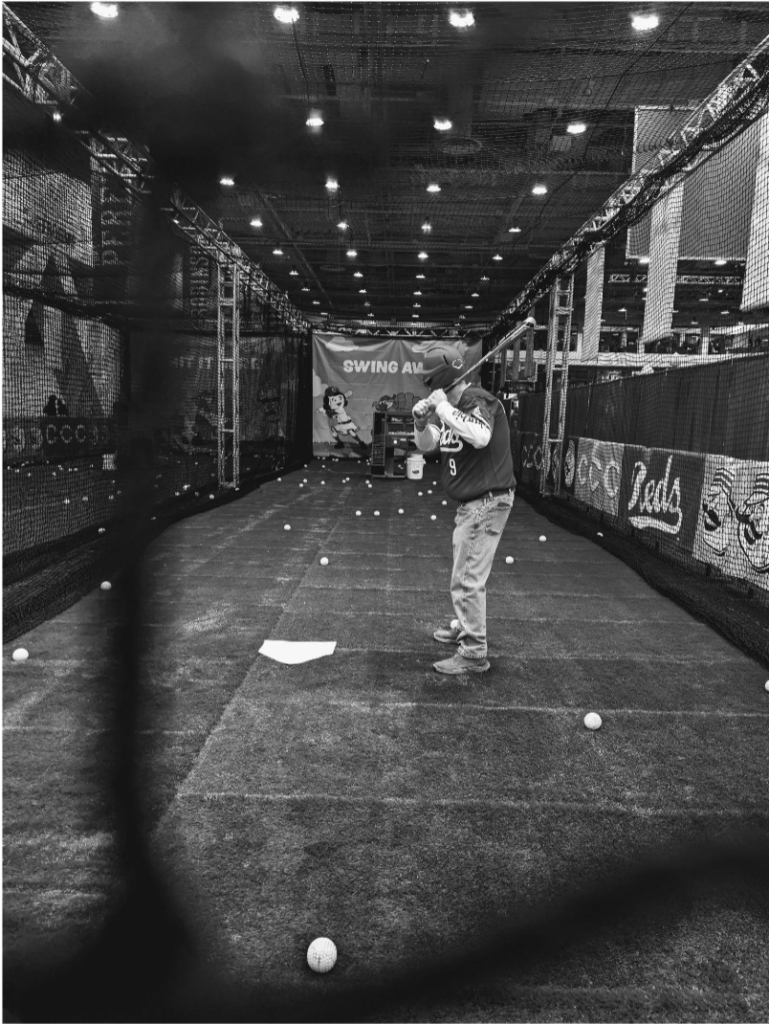
— Swing Away – Eric “Pop” Lawson, 58 year old
Conclusion
Becoming an artist who gets noticed requires more than just talent; it requires the grit to stand for something specific. When you move beyond the haphazard playlist and embrace a moral purpose, the world starts to listen.
Subscribe to my list so you never miss a post on the craft and the struggle of the writing life.

Be the first to comment